
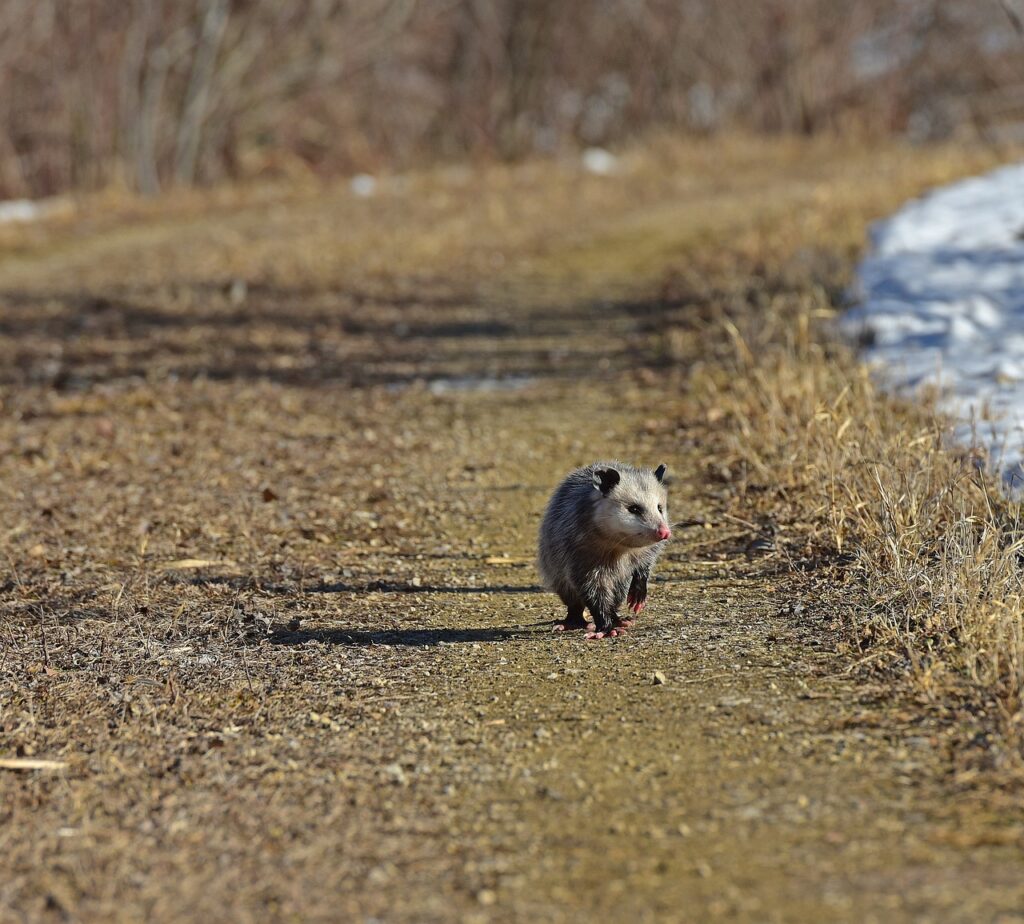
Possums, often misunderstood and discredited, are remarkable creatures with fascinating feeding habits. Known scientifically as Didelphis virginiana, the Virginia opossum is the only marsupial found north of Mexico.
These nocturnal scavengers boast an omnivorous diet that includes an astounding variety of foods, making them some of nature’s most adaptable diners and essential within their ecosystem.
In This Article
The Omnivorous Diet of Opossums
Possums are opportunistic scavengers, a trait that has helped them thrive in diverse environments. Their diet includes both plants and animals, giving them the flexibility to survive in areas where food resources fluctuate. Common foods that opossums eat include:
Insects and Worms
Possums help control garden pests, making them valuable for homeowners and farmers. They eat insects like beetles, cockroaches, and crickets, as well as harmful pests like slugs and snails.
Worms, which provide good protein, are also a favorite. By eating these creatures, possums reduce the need for chemical pesticides and offer a natural way to manage pests.
They search for food in the soil, under logs, and among leaf litter, using their sharp claws and strong sense of smell to find meals.
Carrion (Dead Animals)
Possums help the environment by eating dead animals, which is important for keeping areas clean. They eat carrion, meaning they consume decaying animals, which prevents diseases that can spread from rotting carcasses.
Possums have strong immune systems that let them eat spoiled food without getting sick. This behavior is beneficial in both natural habitats and cities, where dead animals might attract other pests if left unattended.
Small Mammals, Birds, and Eggs
Possums are not aggressive hunters, but they have sharp teeth and a good sense of smell, which helps them find food. They eat small mammals like mice and voles, helping control rodent populations.
They also eat birds and their eggs, especially when nests are easy to reach in low branches or shrubs. In cities, possums may raid pigeon nests or bird feeders if other food is hard to find. Their ability to adapt and find protein-rich meals shows their strong survival instincts.
Fruits, Berries, and Vegetables
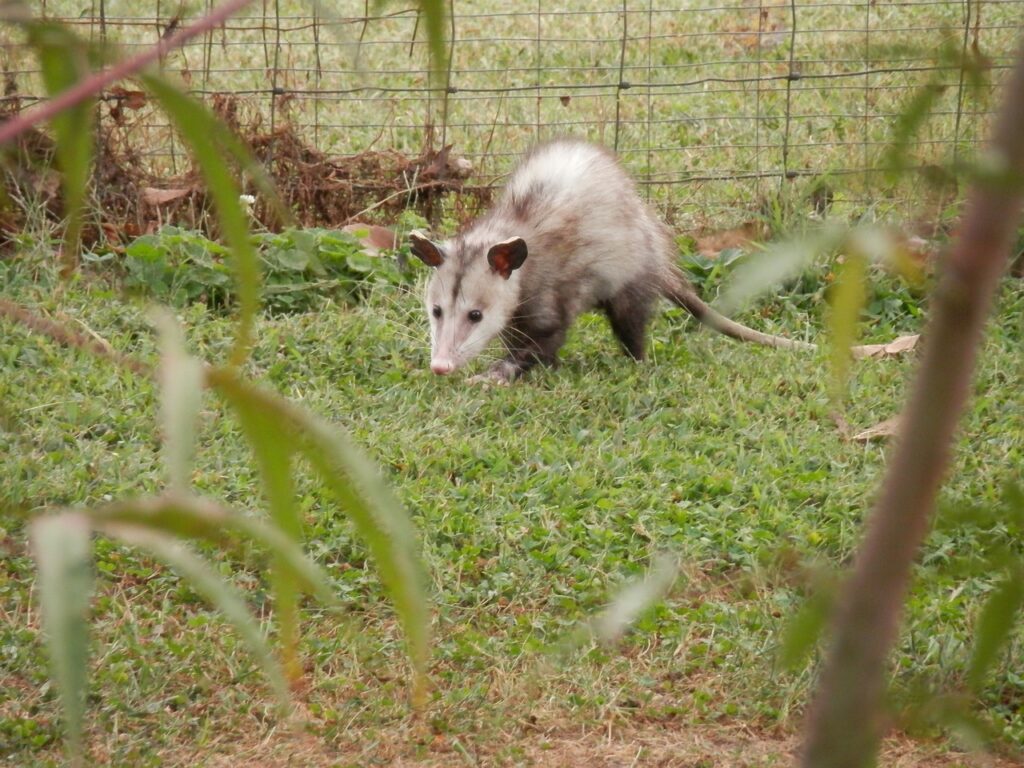
Possums are good at finding plant-based food, which is a big part of their diet. They eat many types of fruits and berries, like apples, blackberries, and persimmons, based on what’s in season.
In farm areas, they’ll eat fallen fruit from orchards, helping to reduce waste. In gardens, they might nibble on tomatoes, melons, or other vegetables, which can frustrate gardeners. However, this plant food gives possums important nutrients and helps balance their diet.
Human Food Waste
Possums are notorious for rummaging through garbage cans, an adaptation to urban environments where natural food sources may be limited. Table scraps, leftover pet food, and even spoiled produce left outdoors become easy meals for these opportunistic feeders.
Their adaptability to human-generated food waste makes them a common sight in suburban and city settings. However, this behavior often leads to conflict, as they can scatter trash while searching for a meal. To minimize these encounters, you should secure garbage lids and avoid leaving any food outside.
Feeding Habits and Behavior
Possums are not picky eaters, but they are cautious foragers. With a keen sense of smell, they locate food sources and navigate the night with efficiency. Their prehensile tail and opposable thumbs help them climb trees to raid nests or reach fruit.
Captive possums have a similarly wide diet variety, often supplemented with marsupial milk or powdered milk formulas for young opossums. Baby possums, born the size of a navy bean, require careful feeding until they mature into hardy scavengers.
The Possums' Role in the Ecosystem
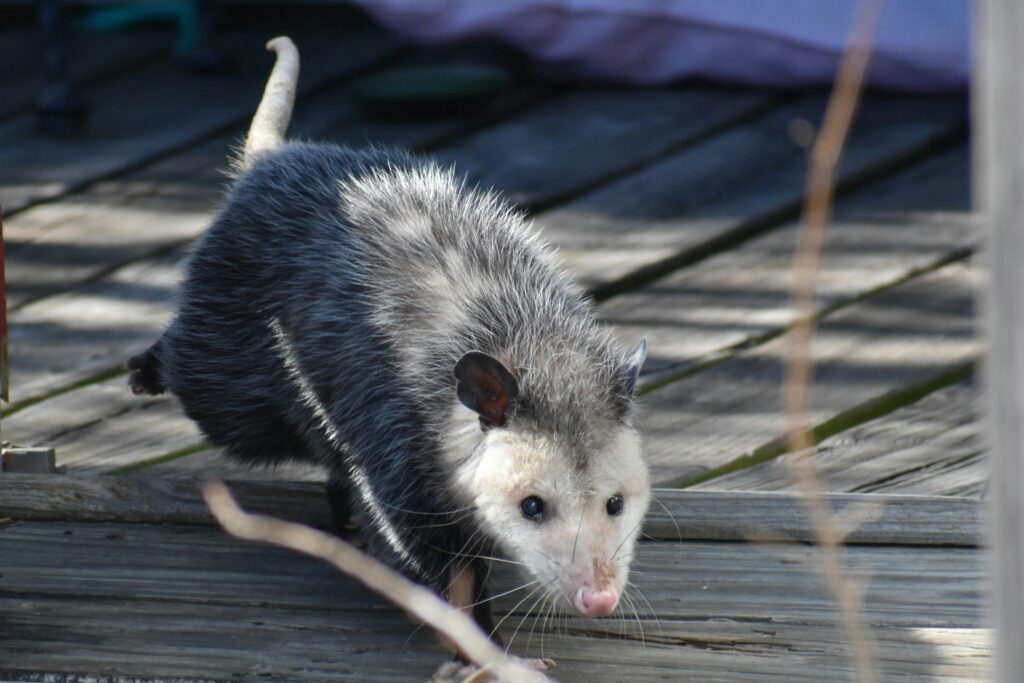
Possums are often called “nature’s pest control” because of their ability to reduce populations of insects, rodents, and other pests.
Possums also have a fascinating ability to resist venom from most snakes. This immunity allows them to eat venomous snakes like rattlesnakes and copperheads, keeping these potentially dangerous species in check—especially in regions where snakes pose a threat to humans or livestock.
Their scavenging habits also provide significant ecological benefits.
By feeding on dead animals and other decaying materials, they help reduce the presence of pests that might feed on the same waste, while also preventing the spread of diseases associated with decay.
In this way, they act as nature’s cleanup crew, making them indispensable in both urban and rural environments.
Beyond pest control, possums also contribute to plant propagation and biodiversity. By eating fruits and berries and excreting the seeds in new locations, they facilitate seed dispersal, supporting the growth of vegetation and maintaining healthy ecosystems.
In all types of settings—cities, suburbs, or wilderness—possums show their value in maintaining ecological balance. They keep pests under control and support plant growth, making them important contributors to our environment.
Habitat and Adaptability
Possums are incredibly adaptable creatures. They inhabit woodland areas along streams, ponds, and swamps but are just as comfortable in farmland or urban settings.
They often shelter in rock piles, brush heaps, or even under sheds and outbuildings. Despite their adaptability, they don’t do well in cold weather because of their hairless tails and ears, which are prone to frostbite.
Video credit: VPM
Main Predators and Survival Tactics
Possums face predators such as coyotes, foxes, bobcats, and large birds like hawks and owls. When they feel threatened, they’ll use several different defense methods. They might:
- Show their teeth.
- Hiss
- Growl
If these tactics don’t work, they may “play possum.” This is an involuntary response triggered by extreme fear, where the opossum becomes stiff and appears dead, while also releasing a foul odor that may deter predators.
Interestingly, possums’ defensive behaviors and survival tactics have roots in their ancient lineage.
Fossil evidence shows that opossum-like peradectids first appeared in North America about 65 million years ago, at the time of the Cretaceous-Paleogene extinction event. They developed traits like pouches for their young, which helped them survive these events.
However, their greatest threat today comes from humans and vehicles. As nocturnal creatures, they typically forage for food near roadsides at night, putting them at high risk of collisions.
Despite these dangers, possums’ adaptability and ancient survival instincts continue to make them remarkably resilient creatures.
Possum Facts
Opossums have 50 teeth, more than any other North American land mammal.
They are immune to the venom of nearly every snake in their native range, including rattlesnakes, and can even eat venomous snakes.
Despite their slow, hobbling walk, they are skilled climbers with a semi-prehensile tail.
Misconceptions
Opossums are often misunderstood and unfairly associated with disease, but these beliefs are largely inaccurate:
- Rabies Resistance: Thanks to their low body temperature (34.4–36.1°C or 94–97°F), opossums are highly resistant to rabies. While not completely immune, rabies cases in opossums are exceptionally rare compared to other wild animals.
- Disease Transmission: Contrary to popular belief, opossums seldom spread diseases to humans. In fact, they carry fewer parasites and pathogens than many other wildlife species.
- Cleanliness: Despite their reputation, opossums are far from dirty. They are meticulous groomers, spending as much time cleaning themselves as domestic cats.
- Tick Consumption: Although opossums consume ticks while grooming, their role in controlling Lyme disease has been overstated. Their impact on tick populations is unlikely to significantly prevent the spread of tick-borne illnesses.
- General Health: Opossums boast strong immune systems, making them resistant to many wildlife diseases, including most snake venoms.
- Aggression: While their toothy grin and hissing might seem threatening, opossums are non-aggressive by nature and prefer avoiding confrontation with humans.
While opossums can carry pathogens such as leptospirosis, the overall risk they pose to human health is minimal. These gentle marsupials are far less dangerous than the myths surrounding them suggest.
Why We Should Appreciate Possums
Possums may not win any beauty contests, but their role in pest control and ecosystem maintenance is undeniable. By consuming dead animals, controlling pests, and cleaning up organic waste, they help maintain a balanced environment.
So, the next time you spot a possum in your backyard or hear it rustling near the garbage cans, remember: this humble marsupial is an essential part of the ecosystem’s sanitation team and a true ecological ally.
With their wide diet variety and incredible pest control mechanisms, possums deserve more credit than they receive. From their role as natural scavengers to their unique adaptations that date back to the age of the dinosaurs, these misunderstood marsupials are far more fascinating than meets the eye.
Frequently Asked Questions About Possums
Are Possums Aggressive?
No, possums are not aggressive animals. When threatened, they prefer to avoid confrontation and will usually run away or climb to safety.
If cornered, they may hiss, growl, or bare their sharp teeth to appear intimidating, but these behaviors are defensive rather than aggressive. In some cases, possums will act like they are dead, which is a natural reaction to deter predators.
Do Possums Keep Rats Away?
Yes, possums can help reduce rat populations. As opportunistic scavengers, they may compete with rats for food, indirectly discouraging rat infestations.
In some cases, possums may even prey on smaller rodents like rats or mice. While they aren’t a foolproof solution to a rat problem, their presence can contribute to natural pest control in certain environments.
What Is a Possum's Favorite Food?
Possums are omnivores, so their favorite foods depend on what’s available. They enjoy a wide diet variety, but some of their preferred items include fruits, berries, insects, and small animals like rodents.
In urban settings, they are particularly drawn to pet food, table scraps, and garbage. Their adaptability allows them to thrive on whatever food sources are accessible, making them highly opportunistic eaters.
What Do Baby Possums Eat?
Baby possums, known as joeys, are nourished initially by their mother’s milk. After being born blind and tiny—about the size of a navy bean—they crawl into their mother’s pouch, where they attach to a teat for about two months.
Once they leave the pouch, their diet gradually shifts to include solid foods like insects, fruits, and small prey as they learn to forage. In captivity, young possums may be fed specialized formulas like powdered milk or a diet tailored to their nutritional needs.
Share
Related
In This Article
Possum Information
The Virginia opossum (Didelphis virginiana) is the only marsupial native to North America, with a wide-ranging habitat spanning from Costa Rica to southern Ontario, Canada.
They are primarily found east of the Rocky Mountains and along the west coast, having been introduced to western regions
Body length: 13 to 22 inches
Average adult weight: 6 to 13 pounds
Possum Facts
Opossums have 50 teeth, more than any other North American land mammal.
They are immune to the venom of nearly every snake in their native range, including rattlesnakes, and can even eat venomous snakes.
Despite their slow, hobbling walk, they are skilled climbers with a semi-prehensile tail.