
What Do Beavers Eat? Find Out What Powers Nature's Wetlands Managers
- Published onSeptember 7, 2024
When you first ask yourself, “What do beavers eat?” wood is probably the first thing that comes to mind.
After all, trees are the lifeline of these semi-aquatic mammals.
But surprisingly, the wood in trees is not what beavers are actually eating.
Instead, their main focus is on getting to the specific parts of a tree that will give them the nutrients they need to stay healthy year-round.
And what might surprise you even more is that trees aren’t even what beavers prefer to eat.
When given the choice, they’ll choose to feed on other types of plants they can find in their habitats.
In this article, we’ll explore the true nature of the beaver’s diet, including the specific food sources they rely on, how these foods meet their nutritional needs, and the ecological role their diet plays on other wildlife.

In This Article
What Do Beavers Eat?
Beavers are primary consumers, meaning they’re herbivores that solely eat plant material. They’re also opportunistic feeders who can adjust their diet based on the different vegetation available to them and the nutritional value each plant provides.
What Kind of Nutrients Do Beavers Need?
Beavers have specific nutritional needs that help maintain their health, body weight, and energy levels. To survive in their environments, they need a diet rich in carbohydrates, proteins, fats, and essential minerals.
These nutrients are essential during the winter when beavers are less active but need to conserve energy and stay warm—especially as other food sources become scarce.
The Primary Food Sources in a Beaver Diet
The North American beaver (Castor canadensis) and the Eurasian beaver (Castor fiber) mainly eat woody, herbaceous, and aquatic plants. The primary food source in a beaver’s diet depends on where they live and which type of plant is mostly available to them.
For example, a study on subarctic beavers found that those who lived near ponds consumed four times more aquatic plants than the beavers living near streams, where woody plants were more prevalent.
Let’s take a closer look at everything beavers eat.
Cambium
While beavers cut down trees primarily for constructing their lodges and dams, they also provide them with one of their primary food sources.
Underneath the outer bark of a tree, there’s a soft, nutrient-rich layer of cambium. This cambium layer contains cells that help the tree’s trunk and branches grow thicker each season.
It’s packed with carbohydrates like sugars and starches, which is exactly what beavers need to maintain their weight throughout the year.

Since the outer bark on trees offers little nutritional value, beavers strip this part off and discard it, focusing only on eating the cambium layer.
Most beavers prefer gnawing through softer deciduous trees like aspen, alder, willow, birch, cottonwood, and poplar. They favor these over coniferous trees for two main reasons:
- The cambium inside deciduous trees has more nutritional value.
- The softer outer bark makes it easier to access the cambium without using up too much energy.
Tree Saplings, Leaves, Twigs, and Branches
Beavers will also eat the softer vegetation on trees like the leaves, twigs, and smaller branches, as well as any young tree saplings they can find.
These are even easier to chew and beavers will sometimes consume these whole without stripping the bark.
This softer vegetation offers nutrients not found in older, tougher trees, providing beavers with vitamins and minerals that support their immune system, bone health, and metabolism.

Aquatic and Herbaceous Plants
When spring arrives, beavers shift their diet from tree bark and shrubs to plants, leafy greens, and grasses available to them, both on land and in the water. Some of their favorite plants to eat include:
- Water Lilies
- Cattails
- Pondweed
- Skunk Cabbage
- Sedges
- Ferns
- Jewelweed
- Quackgrass
When given the choice, beavers will choose to eat aquatic and herbaceous plants over woody plants because they’re easier to consume and give them quick energy boosts.
Roots
In places where the ground freezes during the winter months, beavers can also find food underwater. Near their lodges, they’ll swim below the ice to search for the roots and stems of aquatic plants. The roots and stems of plants have a high water content, which helps keep them full and hydrated.
Vegetables and Potatoes
As mentioned before, beavers are opportunistic feeders. They’re known to occasionally venture into nearby farms to feed on crops like carrots, lettuce, and potatoes, and they don’t shy away from apples either.

Collecting and Storing Food
One of the most fascinating traits of beavers is how they collect and store food.
Not all beavers store food, but for those who live in high altitudes or colder climates with long winters—north of Virginia in North America and most Eurasian species— it’s necessary.
They have to be strategic about when to start storing food and secure enough to last them all winter.
Collecting Food
Unless beavers are building dams or lodges, they don’t have much use for the wood under the cambium layer, so they’re mainly focused on cutting down trees for their twigs and branches. To do this, they gnaw through the base of the trees using their powerful (and orange) iron-filled teeth.
Video credit: Scannerguy1968
About 75% of the trees cut down by beavers have a diameter of 10 cm (3.94 inches) or less. However, this all depends on the typical tree size in their habitat.
There is evidence showing beavers will chew through tree trunks up to 100 cm in diameter when necessary, but this is rare.
Most of the time, the energy spent cutting down larger trees isn’t worth it to beavers, so they’ll look for smaller trees to bring down first.
Storing Food
In late spring and early summer, beavers focus on consuming as much vegetation as possible while simultaneously gathering branches, twigs, saplings, and other plants to store away for the winter. As fall approaches, they ramp up their efforts to stockpile enough food so all of their family members can survive the winter.
Beavers take these collected materials and create a food cache by anchoring them underwater in the mud beneath the entrance of their lodge. When winter arrives, the water underneath their lodge gets cold and will act like a natural refrigerator, preserving the nutrients and keeping the plant material fresh throughout winter.
These caches are essential for beavers. They can hold between 1,500 and 2,500 pounds of edible materials and provide a whole family of beavers with a steady supply of food when the ground is frozen and fresh vegetation is no longer available.
With their food supply stored right at their lodge’s entrance, beavers can access it without leaving the safety of their homes. This strategic location helps them conserve their energy and avoid any predators that might also be looking for food.
Beaver Facts
Beavers have transparent eyelids that help them see when swimming underwater.
Hawaii is the only U.S. state without beavers.
Beaver tails act as rudders to help them steer while swimming, stabalize them on land, and stores fat reserves to help them survive through the winter.
Beavers can keep gnawing underwater because they have special lips that close behind their front teeth to block out water.
Beaver Predators: Who Hunts These Rodents?
The predators that hunt beavers depend on where the beavers live. In North America, their main threats come from:
- Bears (Grizzly, brown, and black bears)
- Wolves
- Coyotes
- Fishers
- Lynx
- Bobcats
These carnivores will go after beavers when they leave the safety of their lodge and put themselves in vulnerable positions. Most of the time, this is while they’re foraging on land or swimming in open water.
Young beavers, or kits, are especially vulnerable to smaller, more agile predators or those who are really good at ambushing their prey, like otters, foxes, owls, eagles, and snapping turtles.
In Europe and Asia, Eurasian beavers face similar dangers, with wolves and lynxes being their biggest predators. These animals use stealth to ambush beavers at the water’s edge or when they move slowly on land during winter, making them an easy catch.
How Do Beavers Defend Themselves?
A beaver’s primary line of defense is their well-fortified lodge, which offers protection from many predators. However, beavers have a couple of other strategies they use to deter threats and protect themselves.
Tail Slap
When a beaver detects a nearby predator, it will slap its broad, flat tail on the surface of the water. This creates a loud splash, which serves two purposes: to startle the predator and to warn other beavers in the colony of potential danger. The sound can travel a considerable distance, alerting other beavers to take cover.
Video credit: Garth Kroeker
Territorial Marking
Beavers mark their territory using scent from their anal glands, depositing it on “scent mounds” built around their habitat.
These mounds signal to other animals, including potential rivals or predators, that the area is claimed and actively defended. This scent marking helps reduce the likelihood of confrontations by warning intruders to stay away.
Where Beavers Live: Ecosystem and Habitat
Beavers live in freshwater ecosystems near wooded areas next to rivers, streams, lakes, and ponds. They like to construct their lodges in locations that are easy to manage with calm, slow-moving water.
These lodges are built directly in water—either in shallow areas, within dams they’ve made, or along the banks with tunnels and dug-out shorelines. The design of each lodge depends on its location and the depth of the water around it.
For beavers to survive year-round, it’s important that the entrance to their lodge stays underwater and has at least 2 to 3 free of water beneath it. This depth gives them enough space to:
- Move in and out of their lodge quickly.
- Bring branches, shrubs, or other food into their eating area during the winter.
- Create a safety buffer between themselves and their potential predators.
As temperatures drop, beavers will dig into the mud beneath their lodge to prevent the water from freezing all the way through, ensuring they can access their lodge and food supplies throughout winter.
Why Do Beavers Build Dams?
When natural lakes or ponds aren’t available, beavers will build dams to establish their habitats.
They do this by weaving branches, logs, and other building materials together and then strengthening them by spreading mud and rocks around the bottom for added durability.
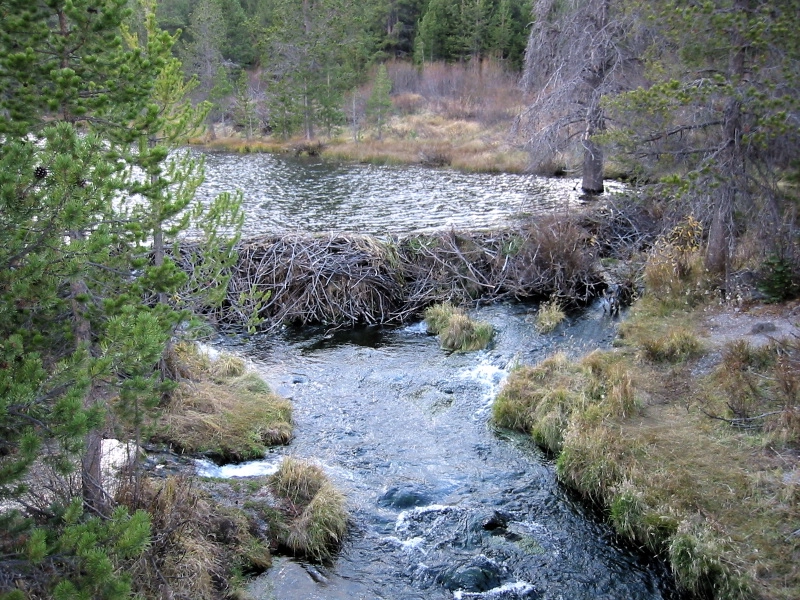
American Beaver (Castor canadensis) dam of Hat Lake and Hat Creek in Lassen Volcanic National Park. Photo credit: Walter Siegmund
Beavers mostly build dams in slower-moving water where the water flow from a river or stream naturally narrows—like a canal, river channel, or floodplain.
They like building dams in these areas for two main reasons:
- It gives them more control over raising or lowering the water levels.
- It makes it easier for them to redirect the water flow.
Their ability to manipulate their water environment provides beavers with strategic advantages, both in accessing food and evading predators.
Additionally, when beavers build dams, they create unique wetland habitats. These newly formed wetlands support biodiversity, attract new wildlife, and benefit the environment.
Their Role Within the Ecosystem: The Wetland Managers
Whether they’re constructing dams to control freshwater sources or building tunnel-ridden lodges to shelter their families, few creatures have as much impact on shaping their habitat as the beaver.
Wetland Creation
When beavers construct dams, they do more than just redirect water—they create wetlands, which are among the most biologically productive ecosystems on the planet.
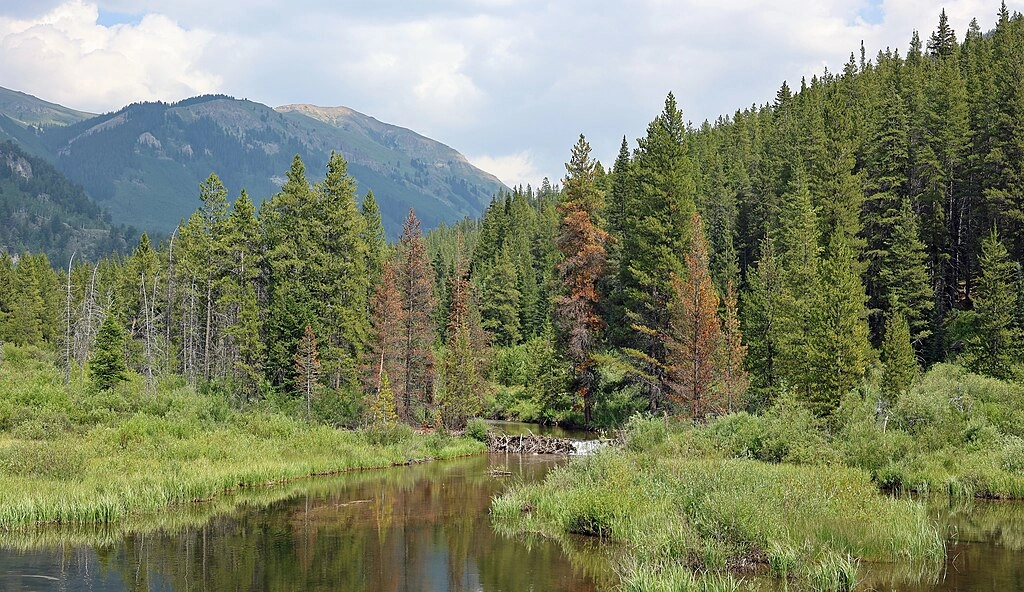
A section of the East Fork Eagle River in Eagle County, Colorado. Several beaver dams are located here, creating ponds and a wetland area. Photo credit: Jeffrey Beall
These wetlands also provide environmental benefits, including:
- Trapping sediment and filtering pollutants: The slow water in beaver ponds allows dirt and particles to settle, while the plants in the wetlands help clean the water as it passes through, absorbing and filtering out pollutants.
- Providing flood control: Beaver dams help regulate water flow, reducing the impact and severity of floods by slowing down and storing excess water during heavy rains.
- Support biodiversity: These wetlands create rich habitats that support many different species. They provide breeding grounds for amphibians like frogs and salamanders, feeding areas for birds like herons and mallards, thriving environments for fish like salmon and steelhead, and are home to diverse aquatic plants that support insects, which in turn, attract more wildlife.
Forest Management and Nutrient Cycling
Beavers also have a major impact on the forests they live in. When they cut down trees, they help shape a younger, more diverse forest.
Their tree-cutting clears out large areas, opening the forest canopy to let more sunlight reach the ground. Direct sunlight on the forest floor encourages the growth of grasses and shrubs that attract and support more wildlife.
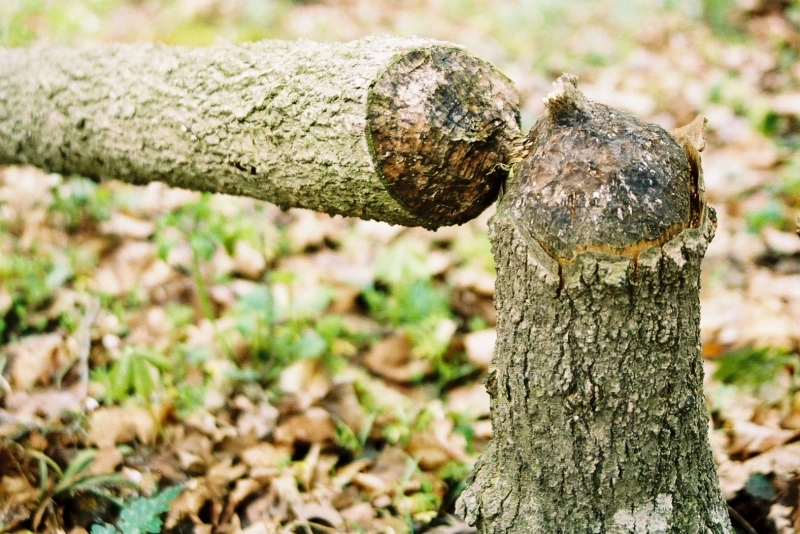
As the felled trees sit on the forest floor, they’ll eventually break down and decompose, which helps recycle nutrients back into the soil.
This nutrient-rich soil benefits the entire ecosystem by supporting the growth of new plants and providing food and habitats for other herbivores and animals, keeping the ecosystem balanced and thriving.
The more you look into what beavers eat, the more you start to realize their diet and their behavior go hand in hand. What they eat is directly linked to why they build and the resulting impact on the environment, from the ponds and wetlands they create to the animals that prosper because of their work.
Share
Related
In This Article
Beaver Information
North American Beaver (Castor canadensis) – The Largest Rodent in North America
The North American beaver can be found across Canada, the United States, and parts of northern Mexico. Currently, it’s estimated that there are over 15 million beavers living throughout North America. These beavers can weigh up to 70 pounds, making them the largest rodent in North America.
Eurasian Beaver (Castor fiber)
The Eurasian Beaver is found in all of Europe and parts of Asia, with the highest populations in Russia, Latvia, Lithuania, Norway, and Sweden. Although they look and act similar to North American beavers, they’re slightly smaller than their cross-ocean relatives.
Both species behave the same way and have a similar appearance. One of their most distinctive features is their large, flat, broad tail, that’s covered with scales.
Body length (nose to base of tail): 25 to 30 inches
Tail length: 10 to 12 inches
Total length with tail : 35 to 42 inches
Average adult weight: 40 to 60 pounds
Beaver Facts
Beavers have transparent eyelids that help them see when swimming underwater.
Hawaii is the only U.S. state without beavers.
Beaver tails act as rudders to help them steer while swimming, stabalize them on land, and stores fat reserves to help them survive through the winter.
They’ll also use their tails to slap the water as a way to let other beavers know of nearby predators and attempt to scare them off.
Beavers can keep gnawing underwater because they have special lips that close behind their front teeth to block out water.